
Find the problem area
Roots, buildup, debris or damaged piping can interrupt flow. When the camera can reach the affected area, the transmitter helps locate its position from above ground. Visibility determines how much we can say about the cause.
Our septic locating service helps identify where a pipe problem lies beneath your yard before planning excavation. Dominick uses a sewer camera with a transmitter at the camera head and a surface locator to investigate accessible septic and waste lines.
Serving Orange, Sullivan and Ulster Counties, New York.
Speak directly with Dominick, the owner.
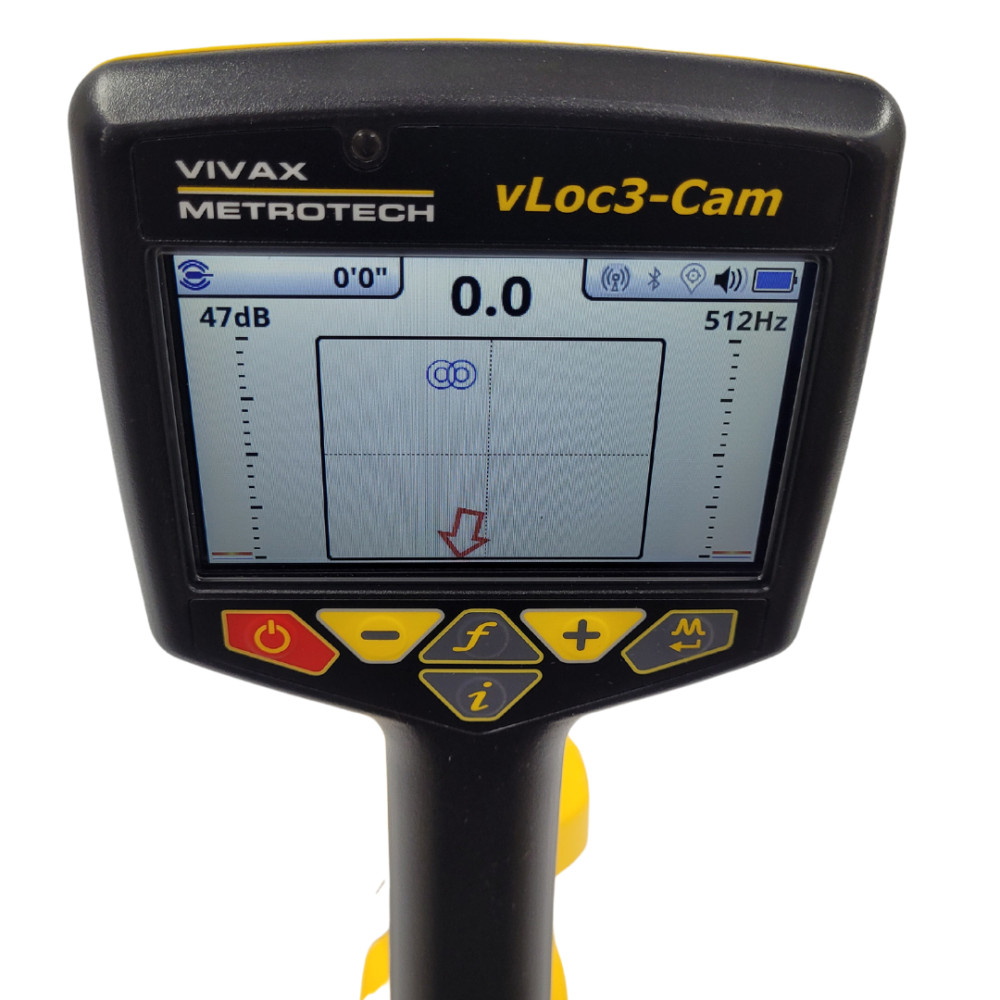
The camera lets Dominick examine the inside of accessible piping. A small transmitter, also called a sonde, is positioned at the camera head. The Vivax-Metrotech vLoc3-Cam receiver detects that signal from the surface.
When the camera reaches a suspected problem, locating its head helps connect the view inside the pipe with a position in your yard. The receiver also provides an estimated depth.
That information gives us a more focused starting point for discussing access, excavation and repair.
You do not need to know what is wrong before calling. Describe the symptoms and any previous work, and we’ll discuss how to investigate.
Roots, buildup, debris or damaged piping can interrupt flow. When the camera can reach the affected area, the transmitter helps locate its position from above ground. Visibility determines how much we can say about the cause.
If a line keeps backing up, share how often it happens and what has already been tried. Locating a visible defect or the point the camera cannot pass can help guide the next investigation or repair.
Where the camera can travel, locating it at multiple points helps establish the accessible pipe route. That can be useful when records are missing or the system’s layout is unclear.
Tell Dominick where the property is, what is happening and whether you know the location of the tank or any cleanouts. Share old plans, reports or camera footage if you have them.
We’ll discuss the available access and the area you need investigated. The scope depends on where the camera can travel and what can be established on site.
Discuss how the line can be reached and any preparation needed for the inspection.
Look for visible obstructions, damage and other findings along the accessible section.
Use the transmitter signal to identify the camera head’s surface position and obtain a depth estimate.
Review what was seen, what remains uncertain and whether cleaning, further investigation or repair makes sense.
A located problem gives the excavation a defined target. The final work area still depends on depth, safe access and the repair required.
Knowing the accessible pipe route helps investigate whether a wet area or recurring problem is near a system component. Location alone does not prove the source of a leak or establish drain field performance.
Discuss the observed problem and its position before committing to work. A targeted pipe repair may be an option when the findings support it.
The receiver follows the transmitter signal. It does not detect a blockage directly, and it does not show every buried component at once.
If the camera stops before it reaches the actual defect, the located point is where the camera stopped. Further access or investigation may still be needed to establish the full problem.
Signal quality, nearby metal and interference can affect position and depth readings. Depth is an estimate, and findings need to be assessed in context before excavation.
We’ll explain limitations rather than present an uncertain reading as a guaranteed measurement.
Call 845-239-2414 to discuss your specific line or system.
We can investigate many types of obstruction in accessible piping, including roots, buildup and debris. The camera must be able to reach the area, and the signal must be detectable. A complete blockage may prevent travel or obscure the view, so we cannot promise to identify every blockage or its full extent from one access point.
When the camera view is clear, it may show the obstruction or visible pipe damage. If the view is obscured, we may be able to locate the stopping point without confirming the material or defect responsible.
The locator provides an estimated depth to the transmitter at the camera head. That reading helps with planning; it is not a guaranteed excavation depth or a measurement of cover above the top of the pipe.
Following accessible piping may help establish where it leads, including toward a tank. It does not automatically reveal every component, tank boundary or drain field lateral. Tell us what needs locating so we can discuss the likely scope and limitations.
They work together. The camera provides the view inside the pipe. The receiver locates the transmitter at the camera head from the surface. Combining them helps relate an observed problem to a position on the property.
Existing access may allow camera inspection and locating without opening the yard. If there is no suitable access, or a blockage prevents progress, additional access or excavation may be necessary.
No. This service investigates the agreed septic or waste line. It is not a survey or an all-utility clearance. Separate utility locating and safe excavation planning are still needed for other buried services.
Investigate visible pipe conditions and understand what the camera can—and cannot—show.
Explore inspections →Discuss cleaning suitable piping when an obstruction can be addressed without replacing the line.
Explore hydro jetting →Review repair options when findings point to damaged piping or another system problem.
Explore repairs →Tell Dominick what is happening and where your property is located. We’ll discuss camera access, locating and a practical next step.