
Obstructions & roots
Look for visible obstructions, root intrusion and buildup that may be affecting flow. The findings help determine whether cleaning or further repair work should be considered.
Recurring backups, a suspected blockage or an unclear repair recommendation? A camera inspection can help reveal what is happening inside accessible sewer and septic piping.
Speak directly with Dominick, the owner.
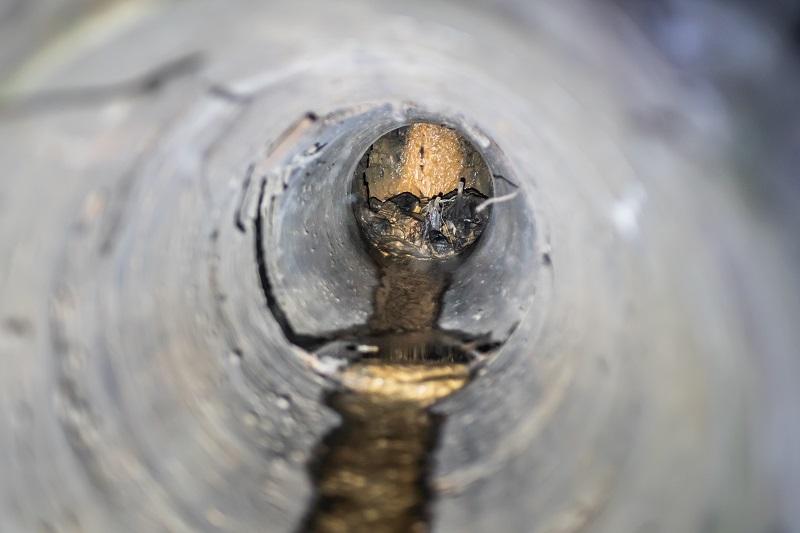
A camera gives us a view of the pipe interior where access and conditions allow. That information can help explain a problem and guide the work that follows.
Look for visible obstructions, root intrusion and buildup that may be affecting flow. The findings help determine whether cleaning or further repair work should be considered.
Inspect for visible cracks, displaced connections and damaged sections along the accessible run. A severe obstruction may prevent the camera from passing farther.
Identify areas where liquid is resting in the line and discuss what additional checks may be needed. A camera view alone does not establish the cause of every flow problem.
Tell us what you need to understand about the line. We’ll discuss whether a camera inspection is appropriate and what access is available.
Tell Us About the Problem
Seeing a problem inside a pipe is one part of the job. Locating equipment can help identify the camera’s position from the surface so we can discuss where further investigation or repair may be needed.
Access, pipe conditions, depth and site conditions affect the inspection and locating process. We explain what we can establish and where uncertainty remains.
The goal is useful information about your pipe and a practical next step.
View our service area →A pipe camera inspection is not a complete assessment of every septic component or the drain field’s performance. We tailor the conversation to what you need to learn.
If you are buying or selling a property, tell us the required inspection scope before booking so we can discuss whether this service fits your needs.
Standing water, debris, tight bends, damaged piping and missing access points can limit what the camera sees or how far it travels.
If the view is incomplete, we’ll explain the limitation and discuss the next step rather than treating an unseen section as verified.
The next step depends on what the inspection shows. We can discuss the work needed and how it relates to the rest of your system.
Discuss whether cleaning is appropriate for the obstruction and the condition of the pipe.
Explore hydro jetting →Review repair options for damaged piping and related system problems.
Explore septic repairs →When the findings point to more extensive work, discuss tank or system replacement options.
Explore installations →That depends on the access available. An accessible cleanout or other suitable entry point may allow an inspection. Some properties require access to be uncovered first. We’ll discuss this before proceeding.
No. It shows visible conditions in the accessible pipe. It cannot see through standing water or obstructions, and it does not fully evaluate soil conditions or all septic components.
Locating equipment can help identify the camera’s position from the surface. Results depend on the equipment, depth and site conditions. We discuss the locating information as part of planning any further work.
A camera is an inspection tool. If cleaning is needed to improve access or flow, we’ll discuss that as separate work and explain the proposed approach.
If you need a recording, photos or a written report, let us know before booking. We can discuss the documentation you need and confirm what is included in the agreed service.
Access, the inspection scope and any preparation affect the estimate. Call with your property location and a description of the issue so we can discuss the work involved.
Serving Orange, Sullivan and Ulster Counties, NY. Tell Dominick about the issue and where your property is located.