
Slow drains or repeated backups
Describe which fixtures are affected and whether the problem returns after cleaning or pumping. The issue may involve piping or another part of the system.
Cesspool concerns and replacement planning in Orange, Sullivan and Ulster Counties, NY. Get help understanding what is on your property, what needs attention and how to approach the next step.
Speak directly with Dominick, the owner.
Homeowners sometimes use these names interchangeably, but they describe different arrangements. Before recommending work, it is important to establish how wastewater moves through your property.
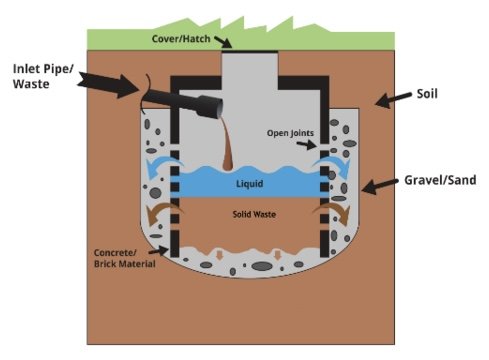
A cesspool receives sewage directly and allows liquid to seep into the surrounding soil while solids collect inside. A conventional septic system uses a separate septic tank ahead of a soil absorption area. A seepage pit receiving wastewater after a septic tank is different from a cesspool.
Old records, visible components and an inspection of accessible piping can help clarify what you have.
A system that worked for years can still develop problems. These signs warrant investigation, but none identifies the cause on its own.
Describe which fixtures are affected and whether the problem returns after cleaning or pumping. The issue may involve piping or another part of the system.
Tell us where the problem appears and when you first noticed it. Keep people and pets away from suspected sewage while you arrange professional help.
An old cover or structure may be unsafe. Keep clear of suspected weak areas and keep vehicles off them. Do not open, enter or attempt to inspect a cesspool yourself.
A blocked or damaged pipe and a failing disposal area require different solutions. Accessible piping can be investigated, while the condition and layout of the older system also need consideration.
Dominick can discuss the findings, explain proposed work and help you identify when an engineer should be involved in replacement planning.
Pumping may remove accumulated contents, but it does not rebuild deteriorated walls, repair a damaged cover or correct unsuitable soil conditions.
If you need pumping, let Dominick know. We can help connect you with a pumping provider while discussing any inspection or repair concerns.
Replacing an older wastewater system is a site-specific project. Available space, soil conditions, groundwater and nearby wells or water bodies all influence the options.
Confirm the required engineering, permits and approvals with the authority responsible for your property before work begins. We can share engineer contacts and discuss construction once the project requirements are established.
Share your town, symptoms, previous work and any available drawings or inspection reports.
Discuss how the components can be located and evaluated safely, including any limitations on access.
Identify the design work and approvals needed for the proposed project.
Review the proposed installation, treatment of the old structure and restoration work before scheduling construction.
You do not need to know the exact system type before calling. Start with what you know about the property.
Its age alone does not settle the question. Condition, performance, environmental concerns and applicable requirements need to be evaluated. A system that is still draining should not automatically be assumed safe or suitable for continued use.
Do not assume that increasing the size solves the problem. The appropriate replacement depends on site conditions, wastewater treatment needs and the design accepted by the reviewing authority.
It may provide temporary relief in some situations, but it does not establish why the backup occurred. Repeated problems need investigation rather than an assumption that another pump-out is the complete solution.
Replacement work should begin with confirmation of the requirements for your location and project. An engineer may need to evaluate the site and prepare a design. Dominick can share engineer contacts so you can get that process started.
A camera can help inspect accessible piping for visible problems. It cannot certify the structural condition of every buried component or establish the performance of the surrounding soil.
Design requirements, excavation access, system size and type, site conditions, treatment of the old structure and restoration all affect the scope. We need those details before a meaningful estimate can be prepared.
Discuss replacement systems and construction for your property.
Explore installations →Get help investigating damaged piping and other system problems.
Explore repairs →Serving Orange, Sullivan and Ulster Counties, New York.
View our coverage →For general background, see EPA’s guide to septic system types and New York State’s septic system resources.
Tell Dominick where you are, what you have noticed and what you know about the existing system. We’ll discuss a practical next step.