
Work with the available space.
The location and layout of a septic system need to reflect the property. A compact-looking installation still needs the right design for the soil, wastewater flow and available area.
A closer look at a project where limited space and challenging soil conditions shaped the system choice—and a pump chamber was part of the installation.
Serving Orange, Sullivan & Ulster Counties, NY.
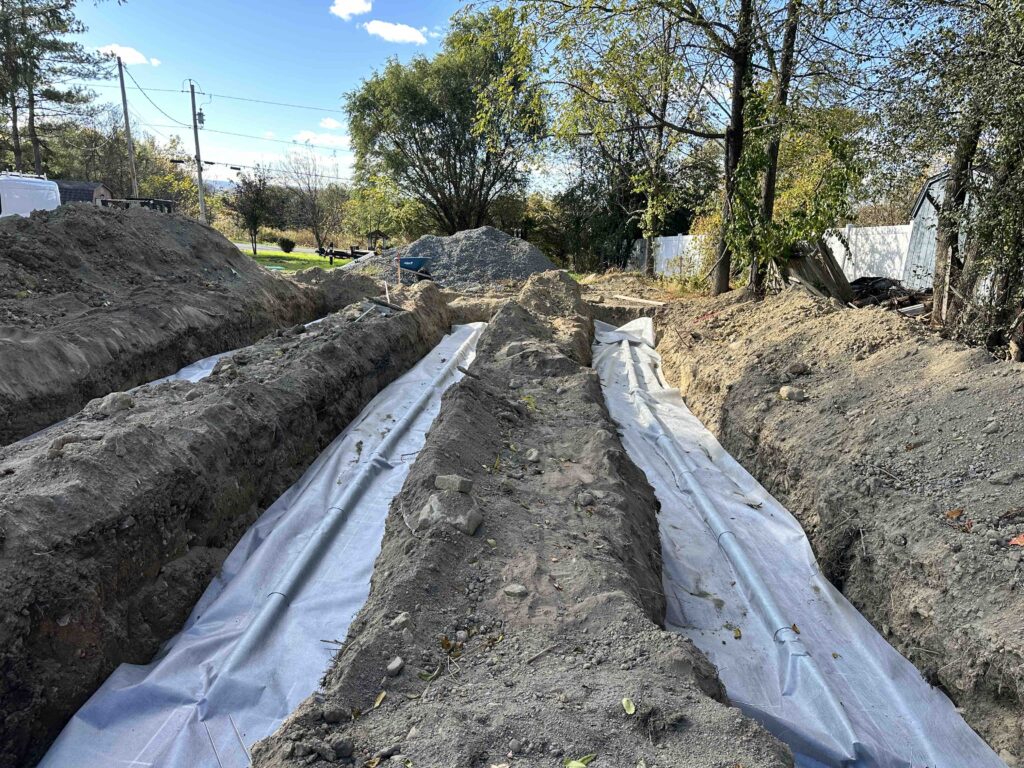
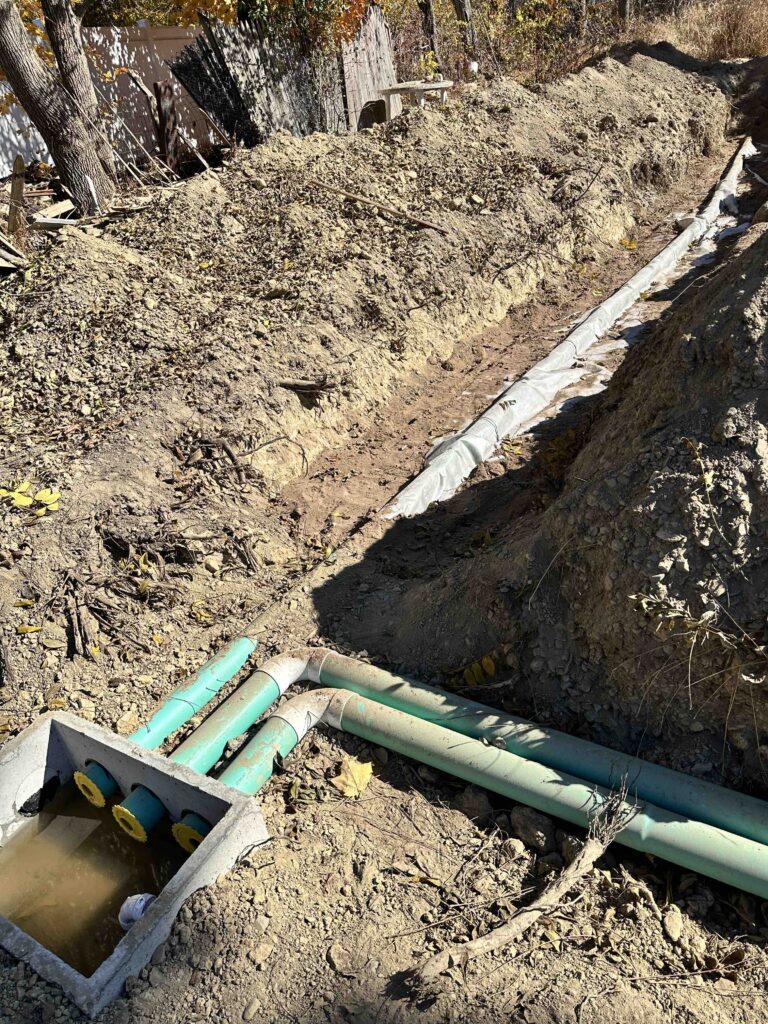
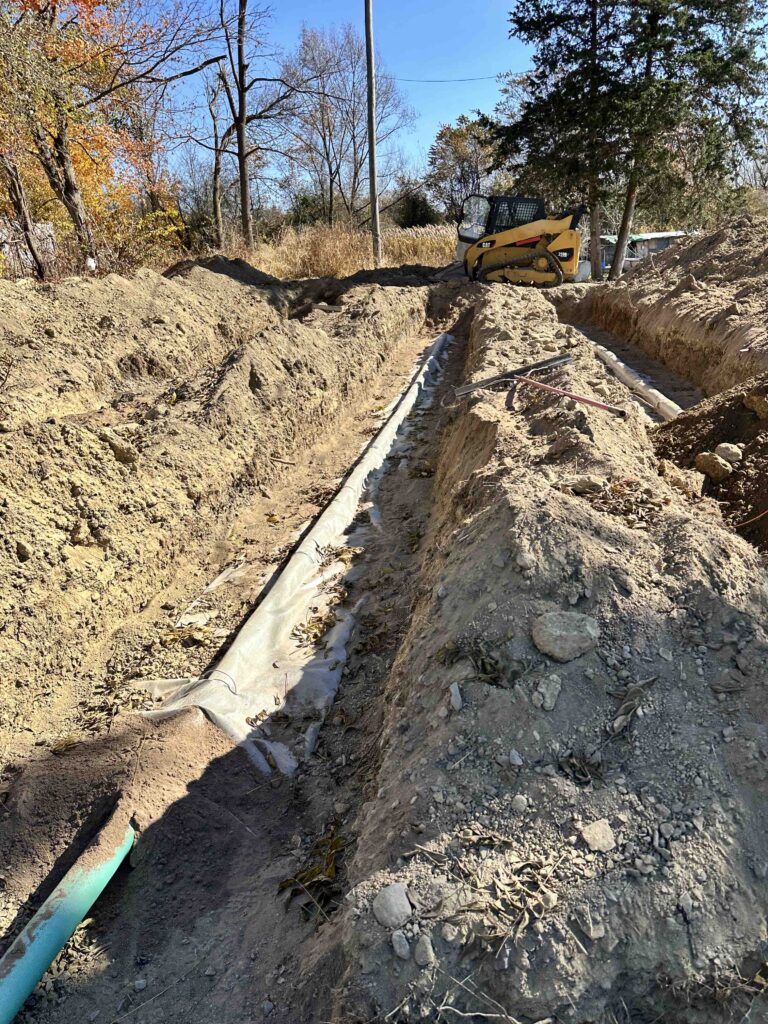
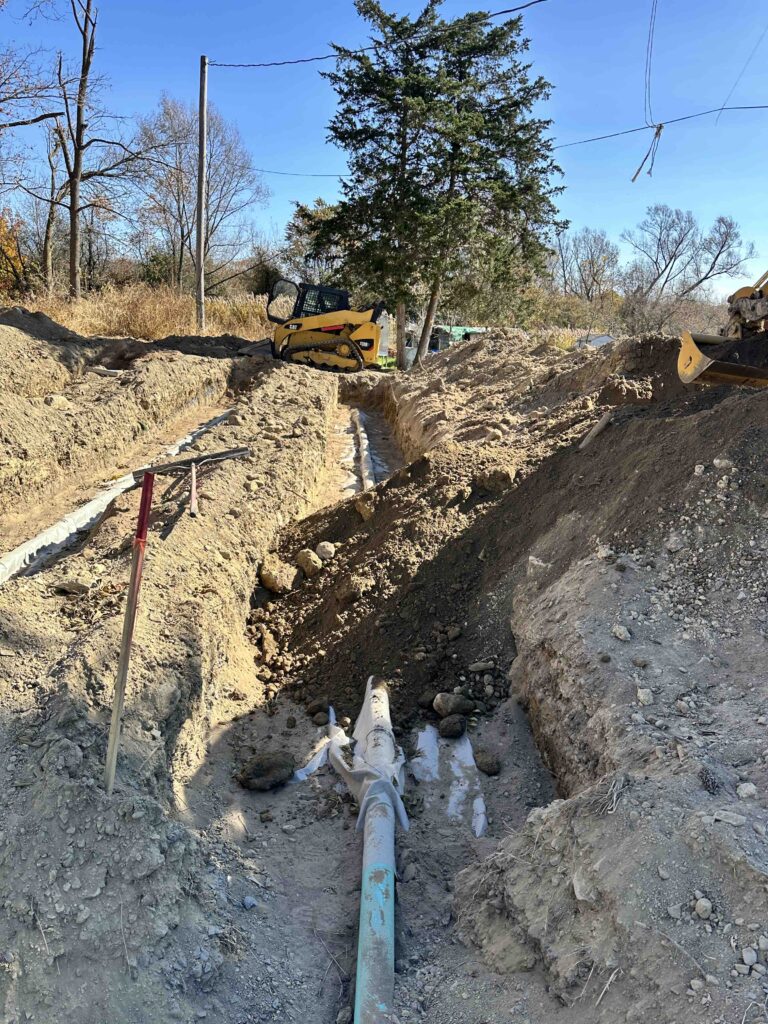
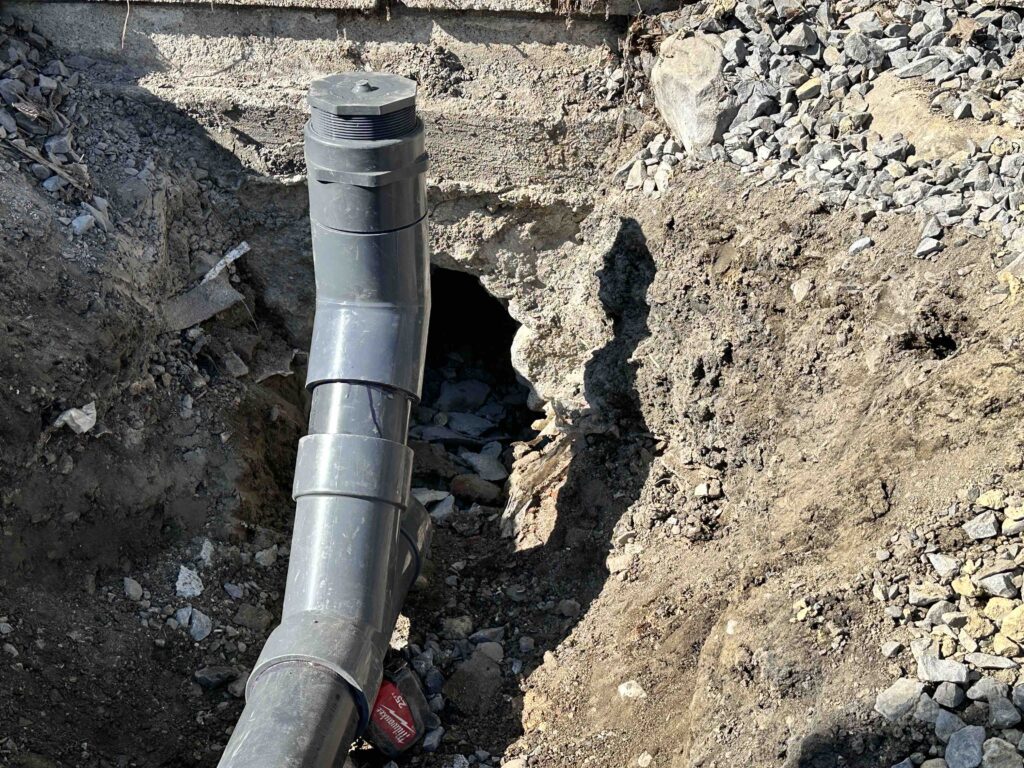
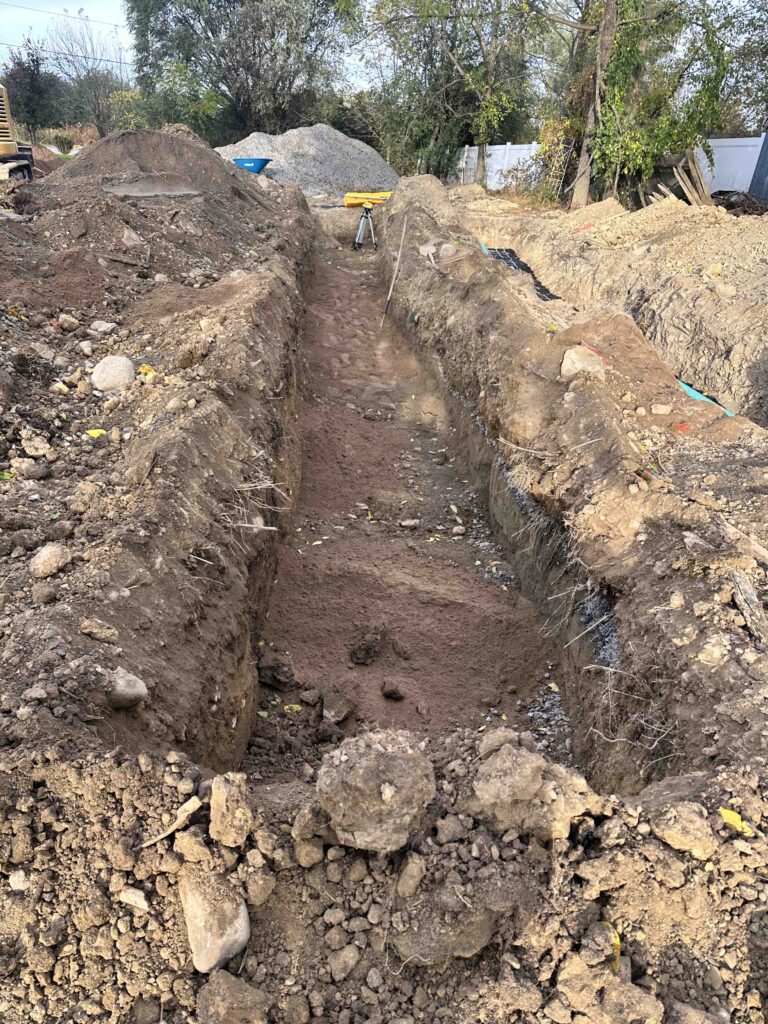
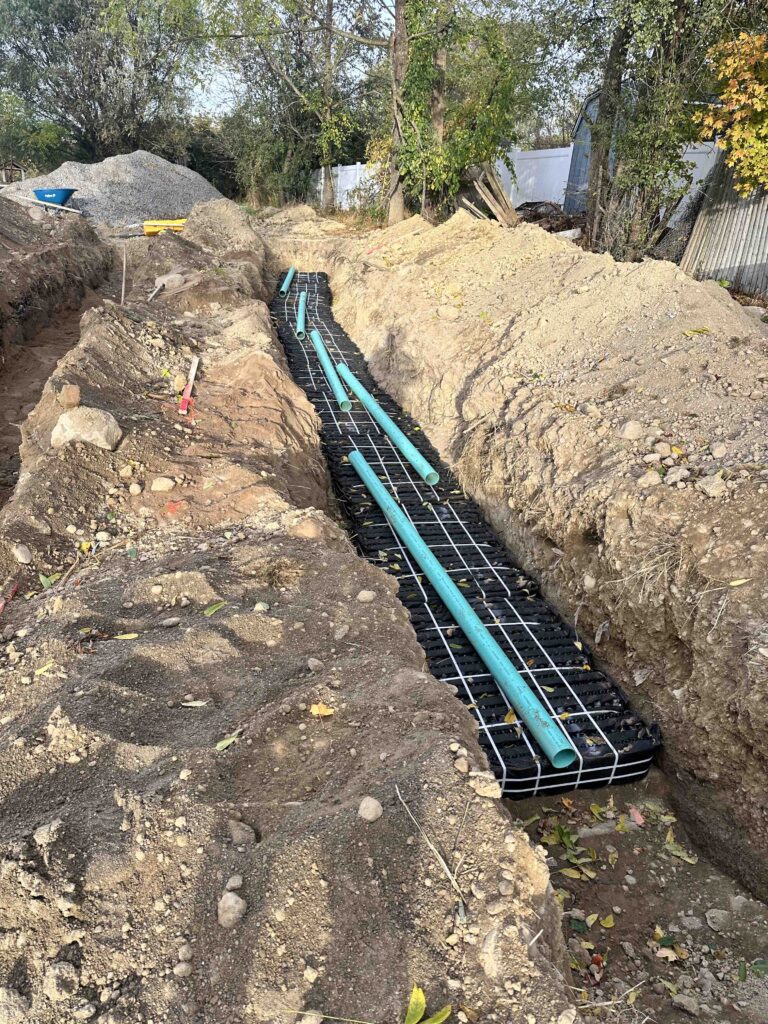
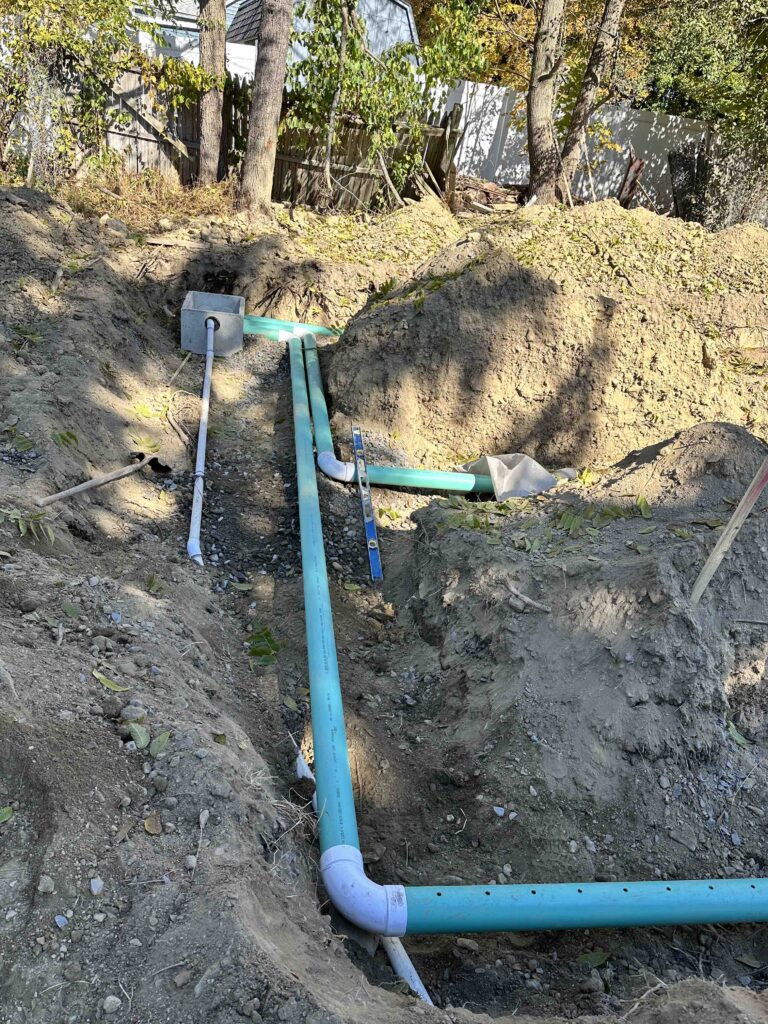
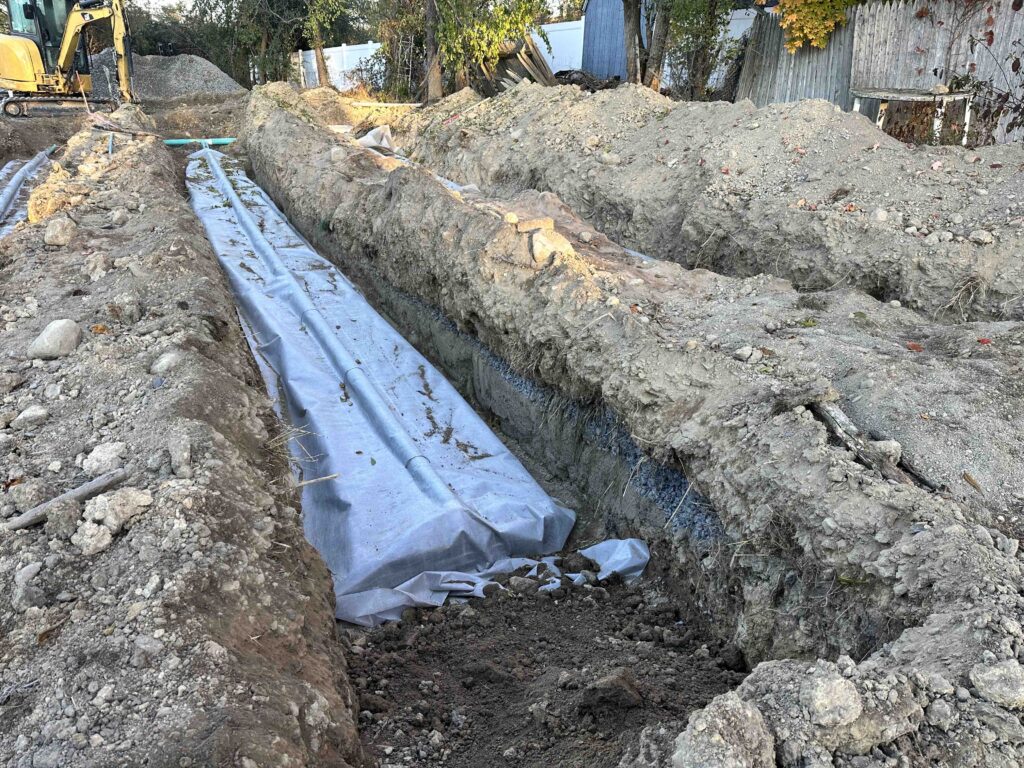
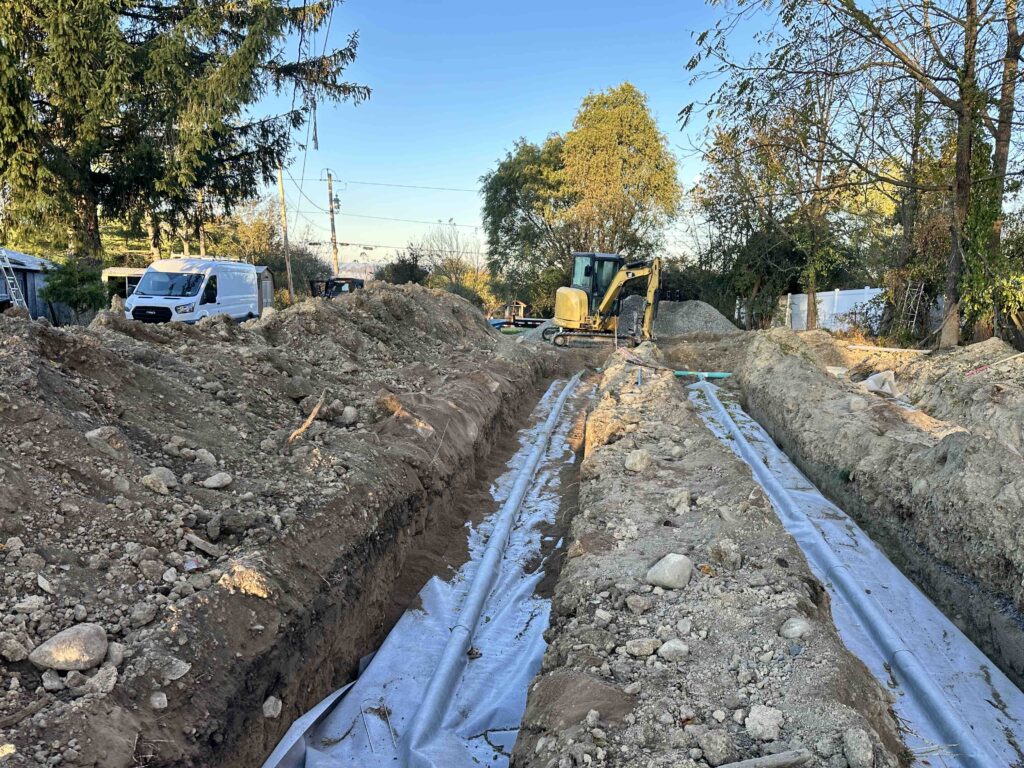
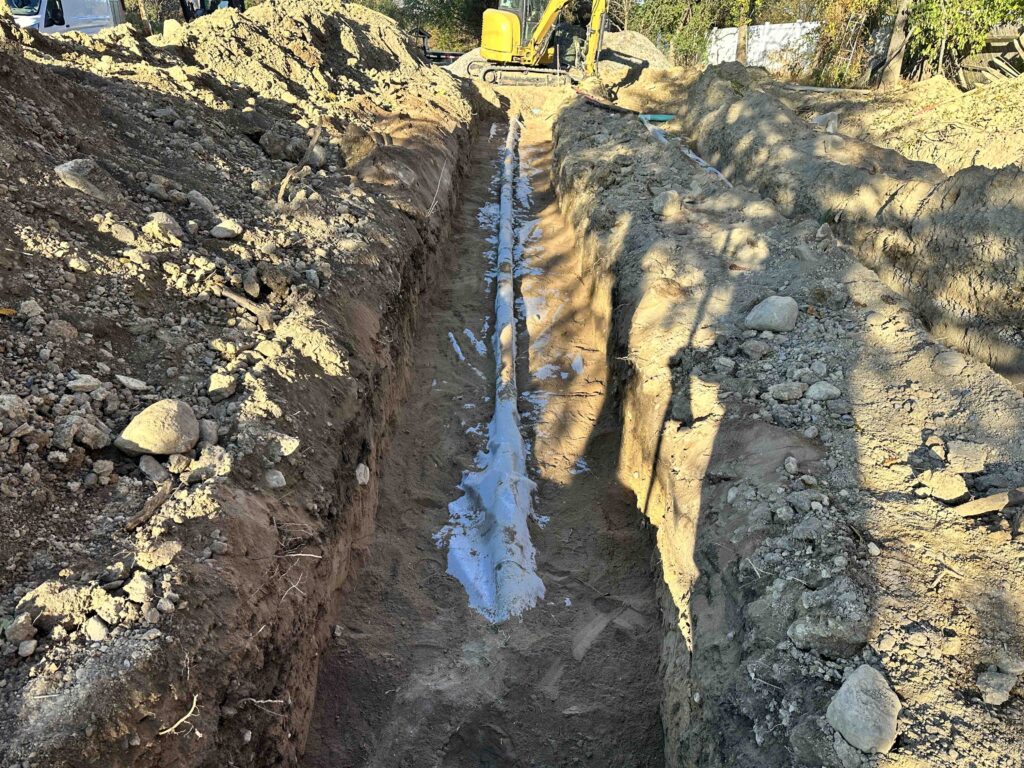
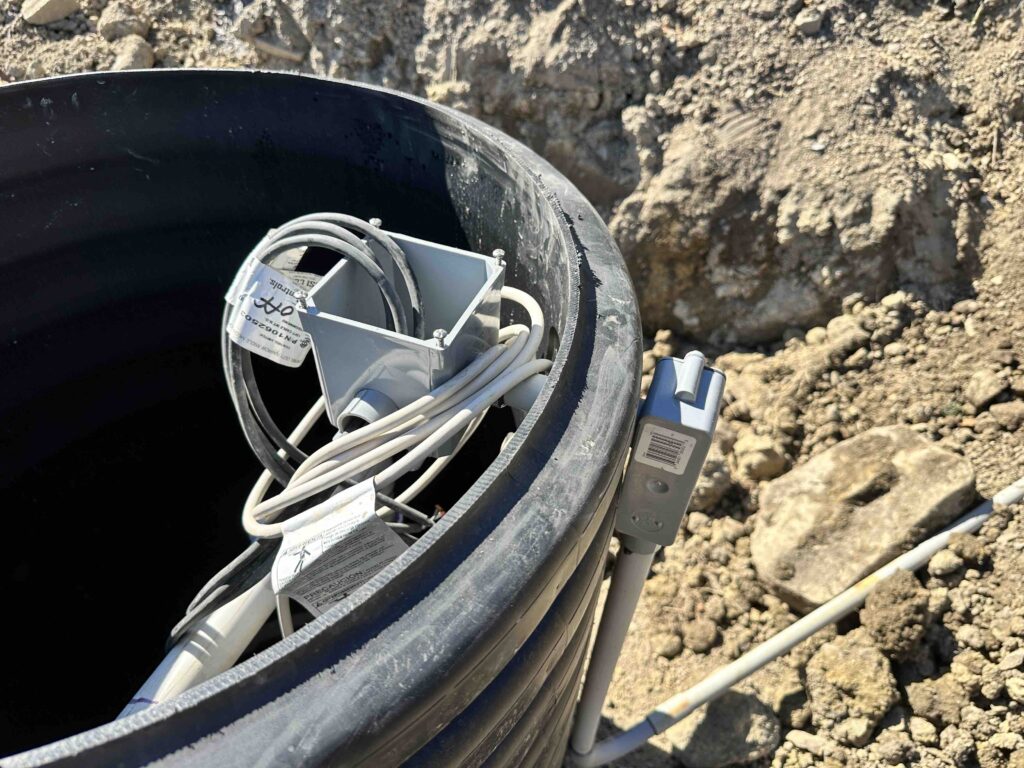
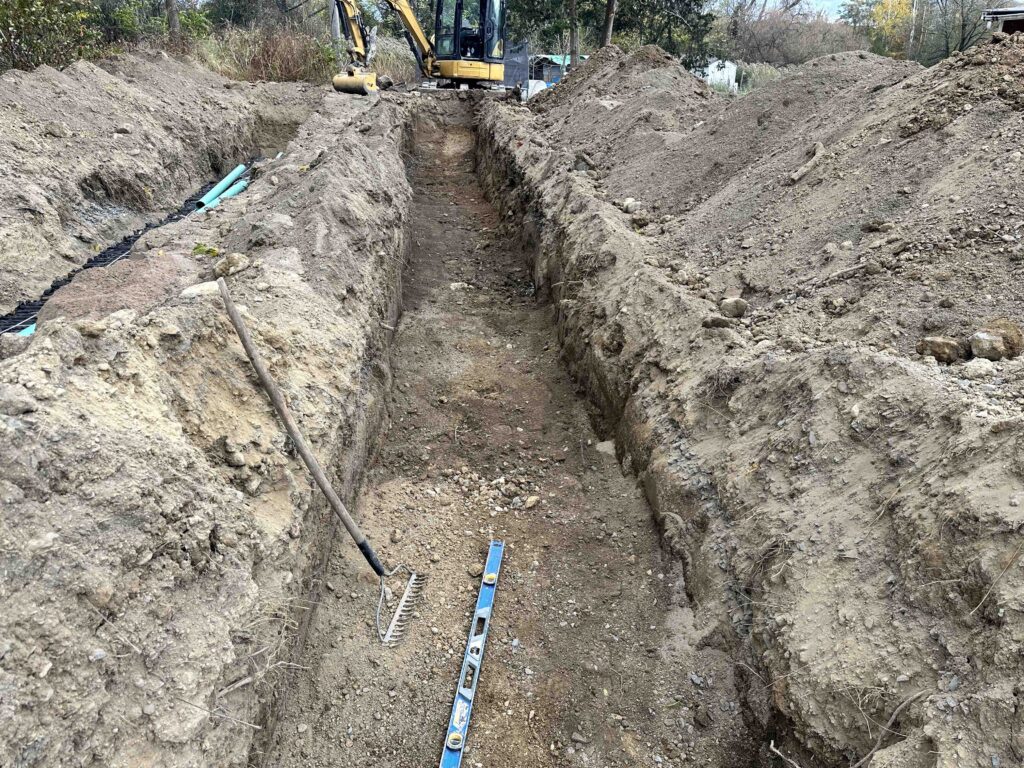
For this project, the available installation area was limited and the soil’s percolation characteristics were a concern. An Eljen system was selected, and the installation also included a pump-up arrangement. The photos below show the field work and mechanical components before they disappeared underground.
The location and layout of a septic system need to reflect the property. A compact-looking installation still needs the right design for the soil, wastewater flow and available area.
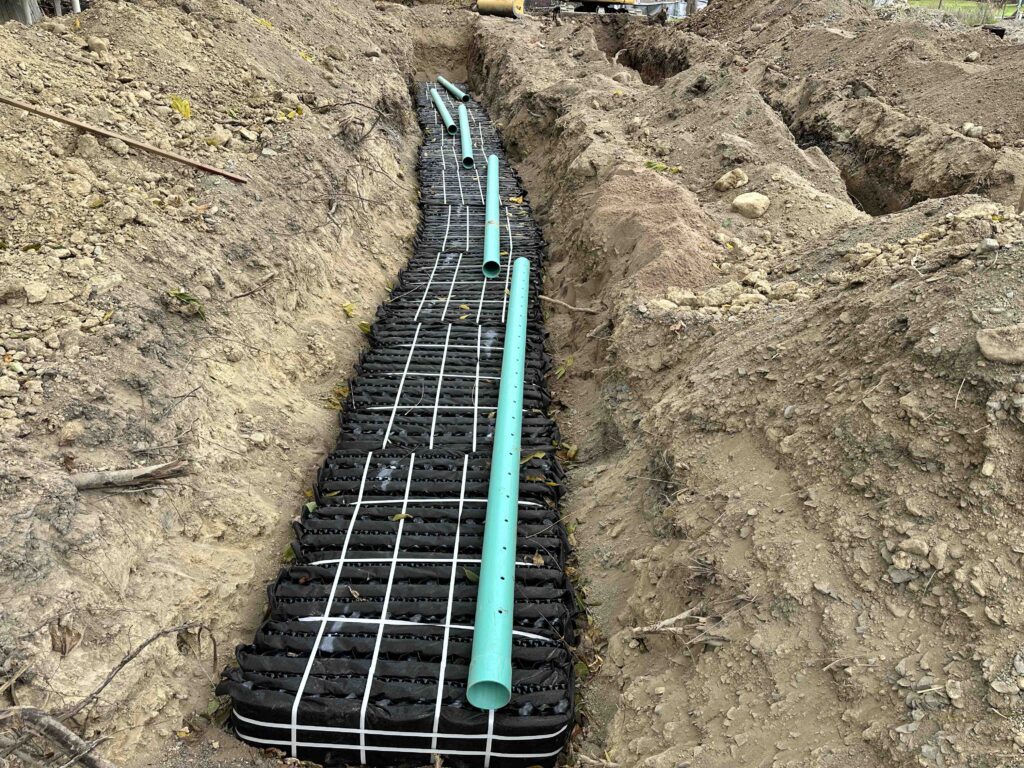
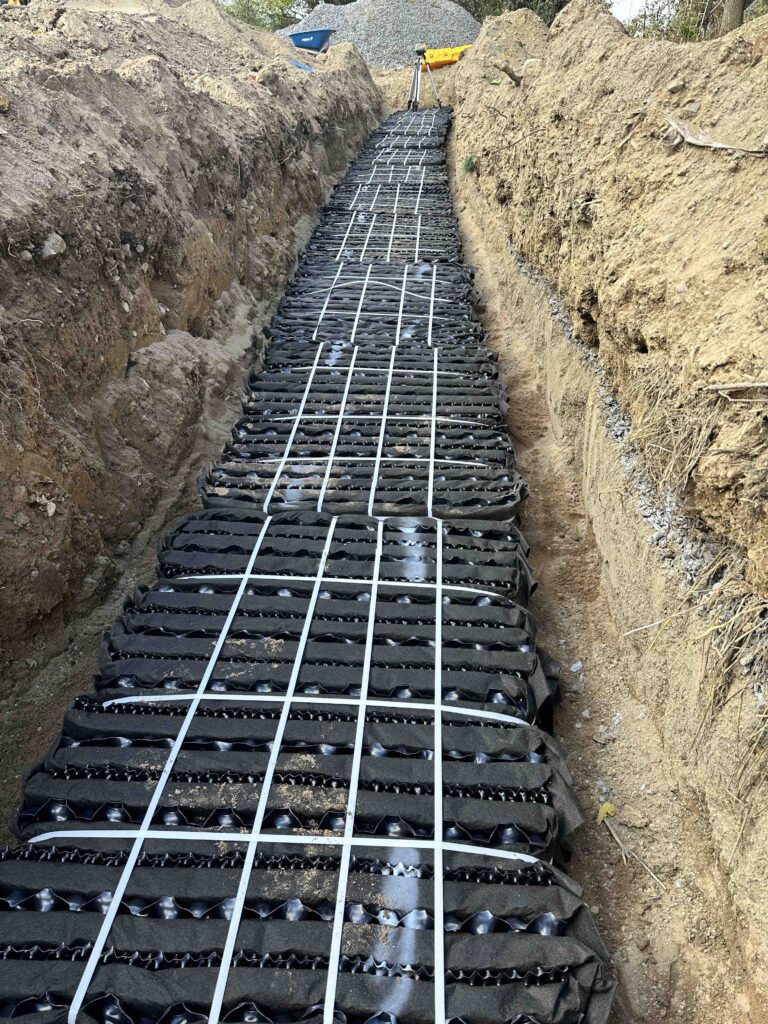
Eljen GSF uses geotextile modules with specified sand as part of an onsite wastewater treatment and dispersal system. It is one possible approach—not a universal answer for every difficult site.
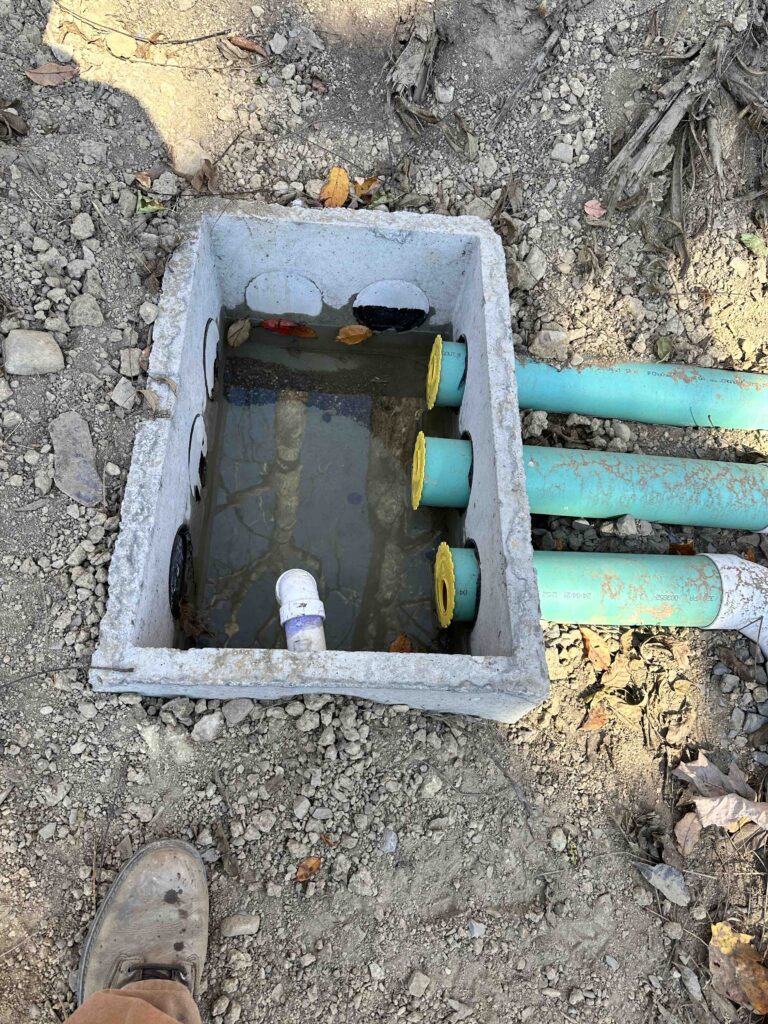
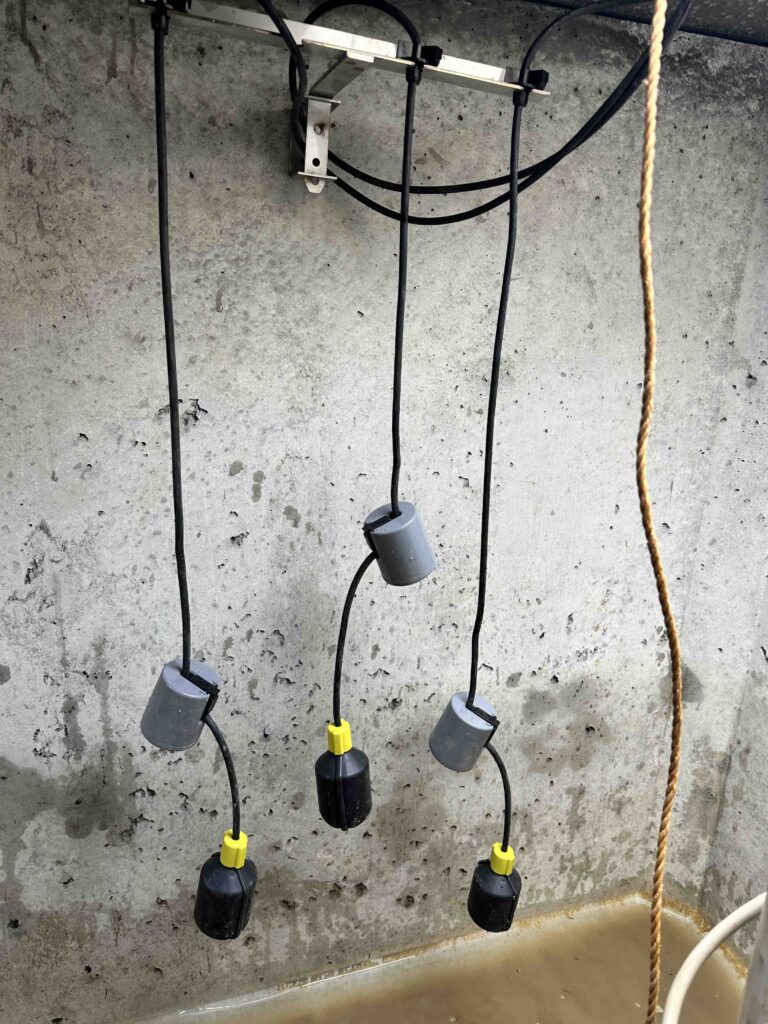
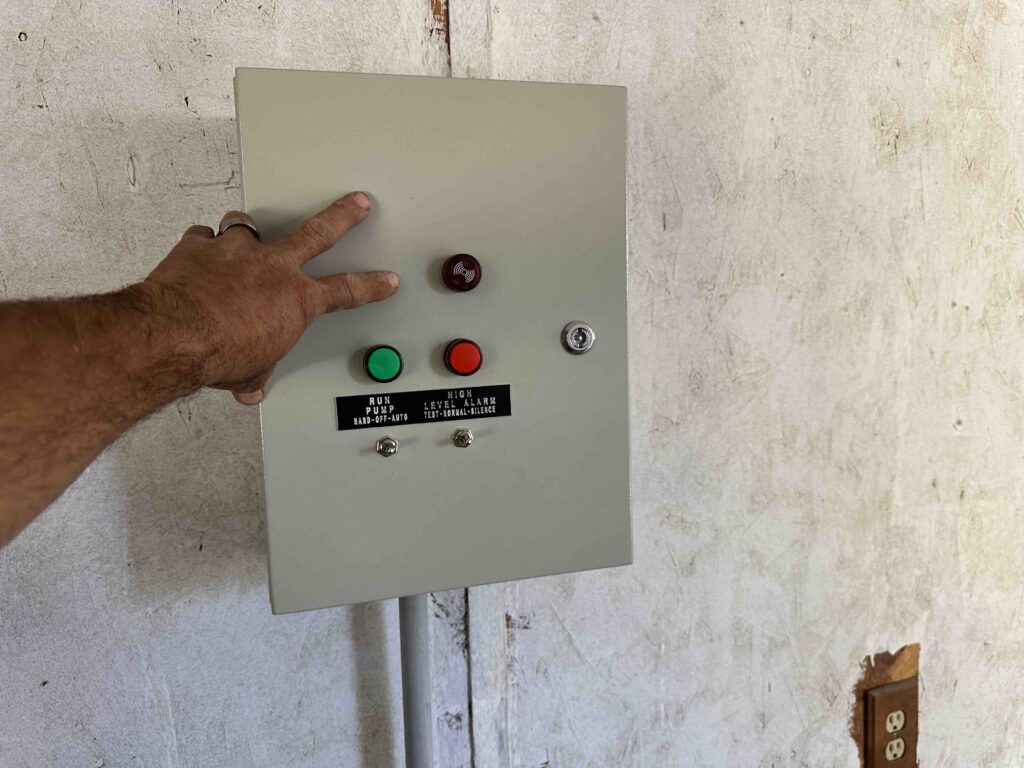
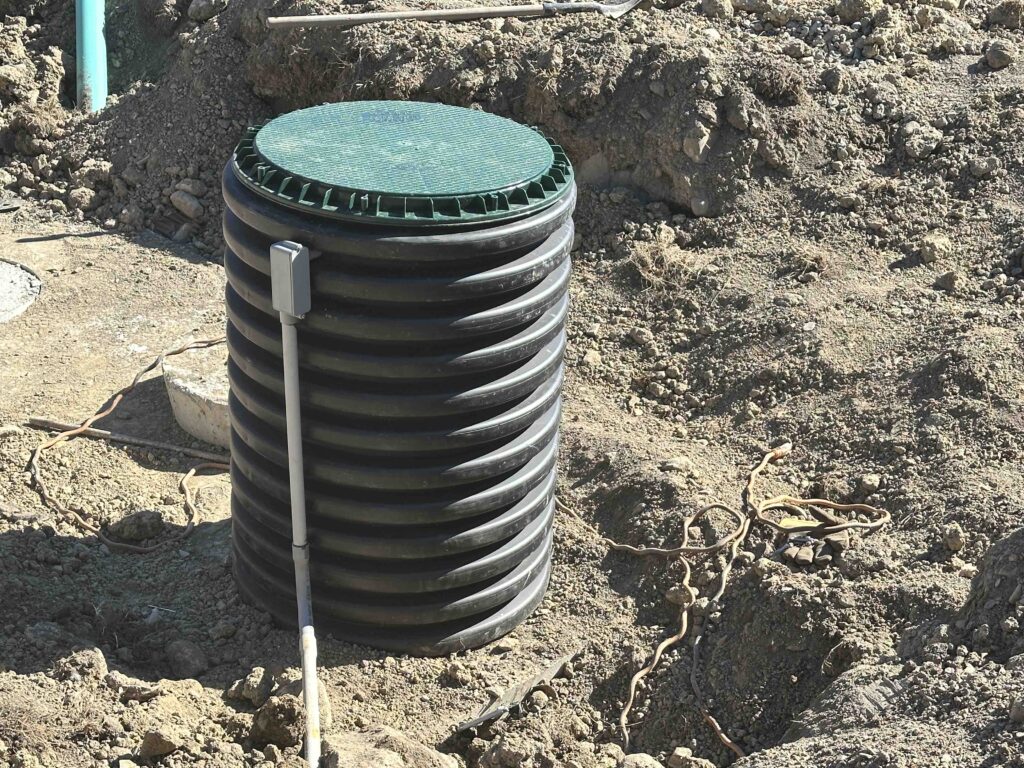
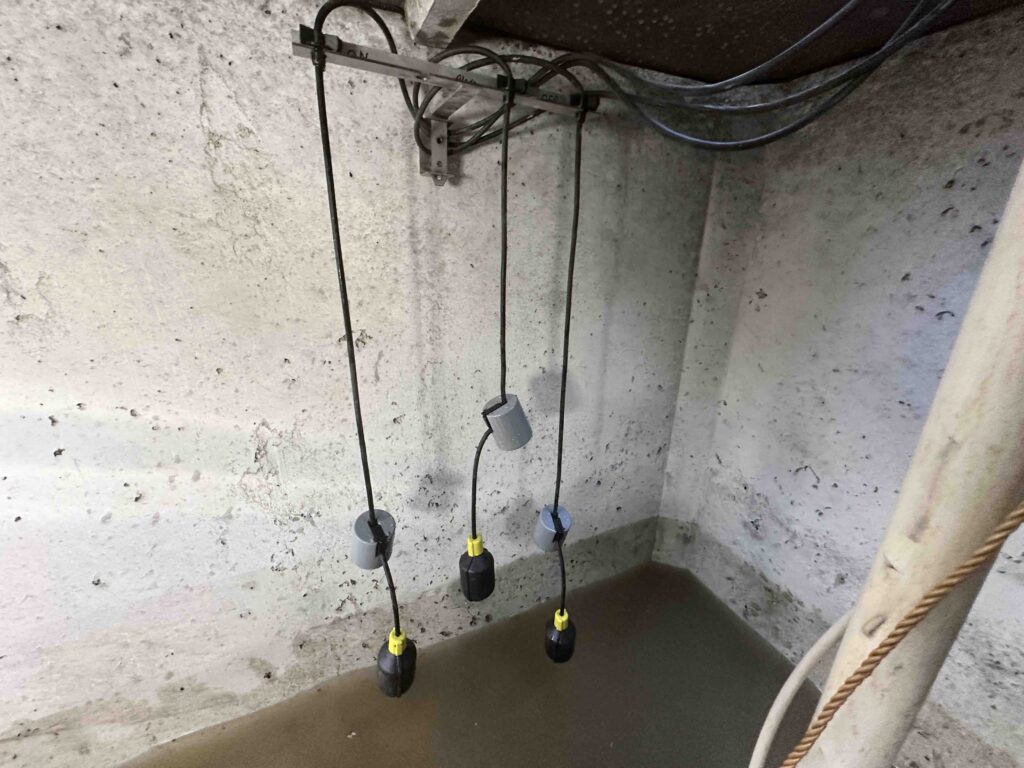
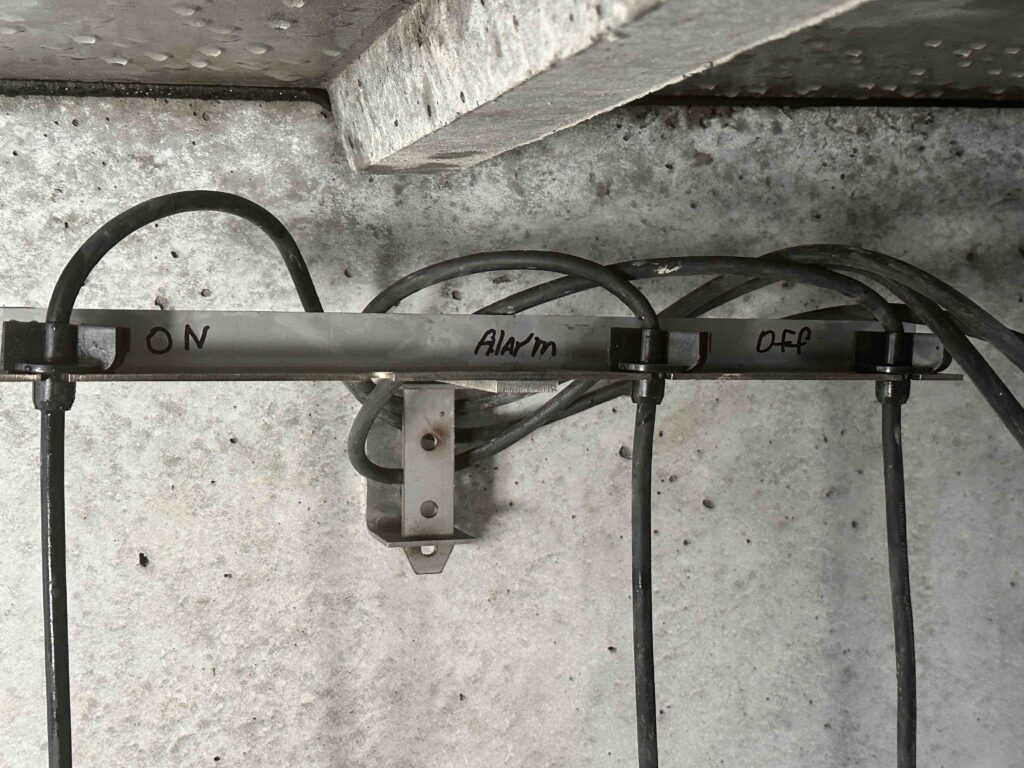
The pump chamber, floats and controls manage delivery of effluent to the next part of the system. They serve a different purpose from the treatment field.
A pump-up system moves liquid effluent from a chamber when gravity alone cannot provide the required delivery. The pump, controls and field must work together as a complete system.
An Eljen installation does not automatically require a pump. The distribution method depends on the site and the system design.
Learn more about the field technology from Eljen’s GSF overview. Suitability and installation details depend on the approved design and applicable requirements.
Wastewater enters the tank, where solids settle and liquid effluent moves onward.
The pump delivers effluent according to the system’s design. Floats and controls manage operation and high-water signaling.
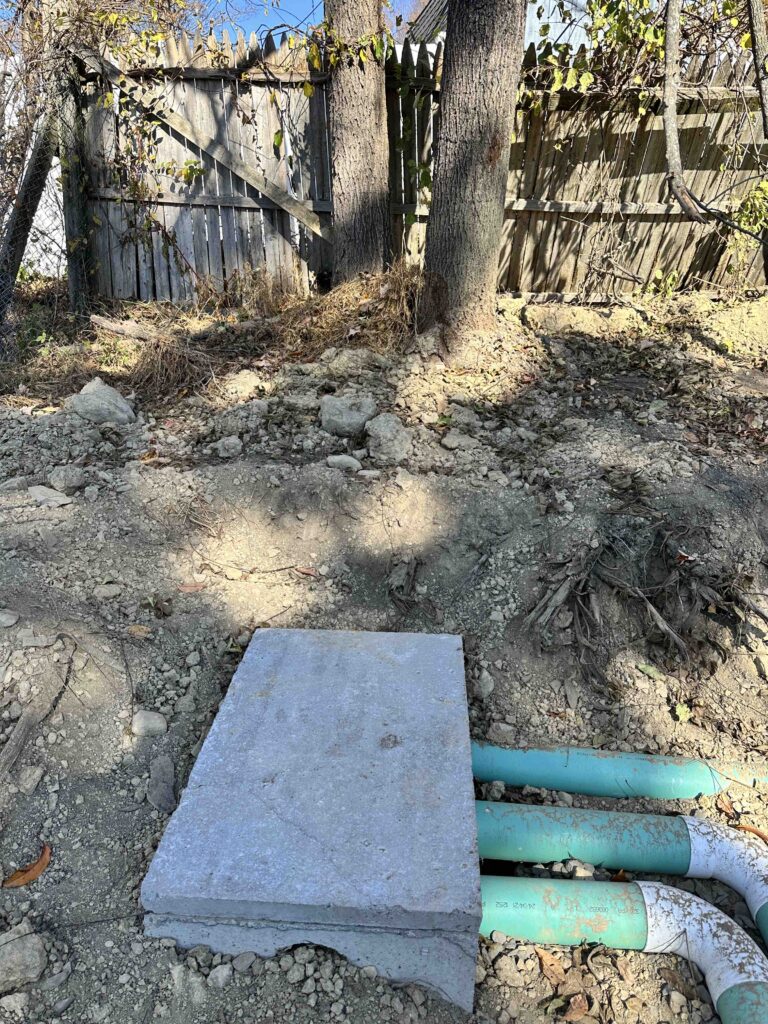
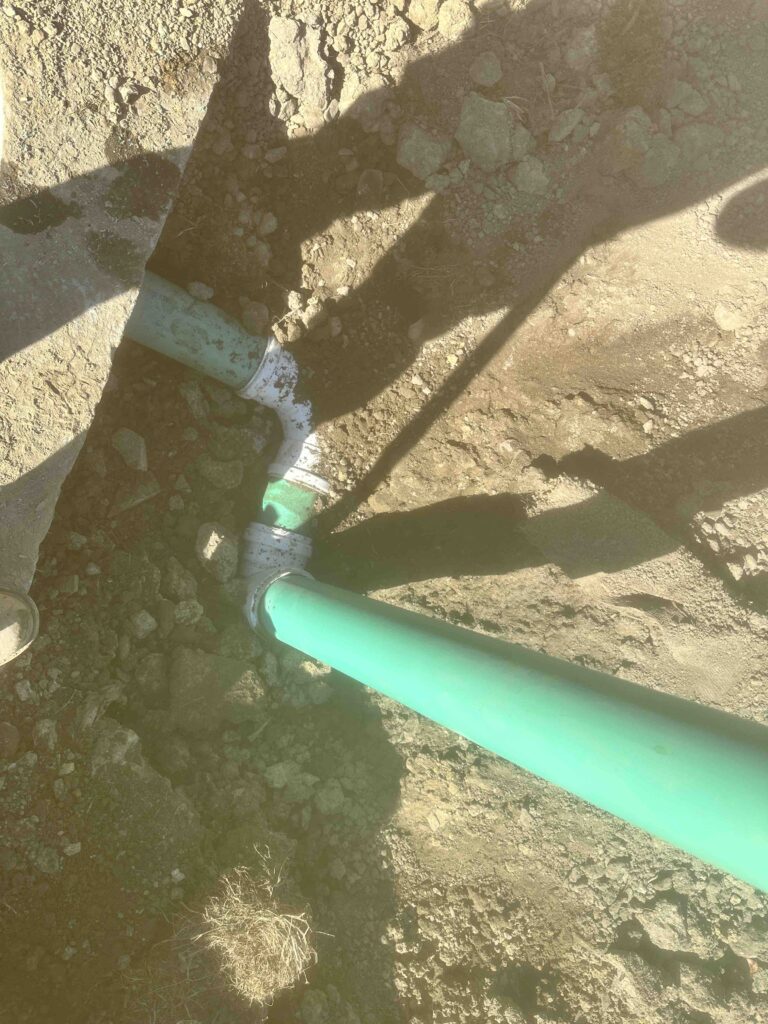
Piping carries effluent to the field arrangement, where treatment and dispersal continue.
These original project photos show the field modules, piping, distribution box and pump components. Select any photo to open a larger view.
You don’t need to decide on Eljen or a pump system before calling. Tell Dominick what you are planning, what you know about the existing system, and whether you already have soil results or plans.
Provide the address, your goals and any inspection findings or previous system problems.
Soil testing, elevations, site access and design documents help define the work.
Discuss the installation, excavation, pump equipment and related work before moving forward.
Every property is different. This project illustrates one installation, rather than a design to copy onto another site.
Not automatically. Soil conditions are one part of the evaluation. Available space, elevations, wastewater flow and design requirements also influence the options. A specific system should be selected based on the property’s evaluation and approved design.
No. Eljen systems can use different distribution arrangements. Whether pumping is needed depends on the site elevations and the design.
No. A pump-up system uses an installed pump to move liquid effluent as part of normal system operation. Septic pumping is the separate maintenance service that removes accumulated material from a tank using a vacuum truck.
Site access, excavation, field size, tank and chamber requirements, piping, electrical work and restoration can all affect the scope. Share your plans and property details so the estimate reflects the work actually needed.
Contact Dominick with the symptoms and any alarm information. We can discuss investigation and repair work. An issue with a pump or control does not, by itself, establish that the entire septic system needs replacement.
Discuss new systems, replacement tanks and field work for your property.
Explore installations →Start with the problem you have and the work needed to address it.
Explore repairs →Investigate accessible piping and gather information about visible conditions.
Explore inspections →Call Dominick with your property location and what you need help with. Serving Orange, Sullivan and Ulster Counties, New York.