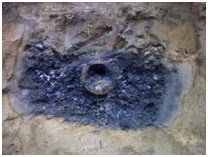
Biomat is something that will happen in time to any septic system over time.
Until now, you have just been waiting for it. Today there is a relatively new add-on to any single or dual-compartment tank. A septic system works with the bacteria it creates, Good and bad bacteria breaking down the solids.
This add-on to any system creates a much cleaner fluid that exits the tank reversing biomat formation. This is a game charger.
Reasons Why Septic Drainfields Fail:
Soil Clogging due to Biomat: BioMaze® can correct this!
Formation of a biomat that blocks the soil’s ability to absorb effluent.
Accumulation of solids in the drainfield due to inadequate pre-treatment in the septic tank.
Overloading of Effluent: BioMaze® can help with this!
Excessive water usage exceeding the drainfield’s capacity.
Hydraulic overloading caused by leaks, faulty plumbing, or improper design.
Improper Design or Installation: BioMaze® can help with this!
Inadequate sizing for the household’s wastewater flow.
Poor soil analysis leading to unsuitable site selection.
Compaction of Soil: BioMaze may be able to help with this!
Heavy vehicles or machinery compressing the soil over the drainfield.
Root Intrusion: BioMaze® can help with this if it is a combination of roots and biomat.
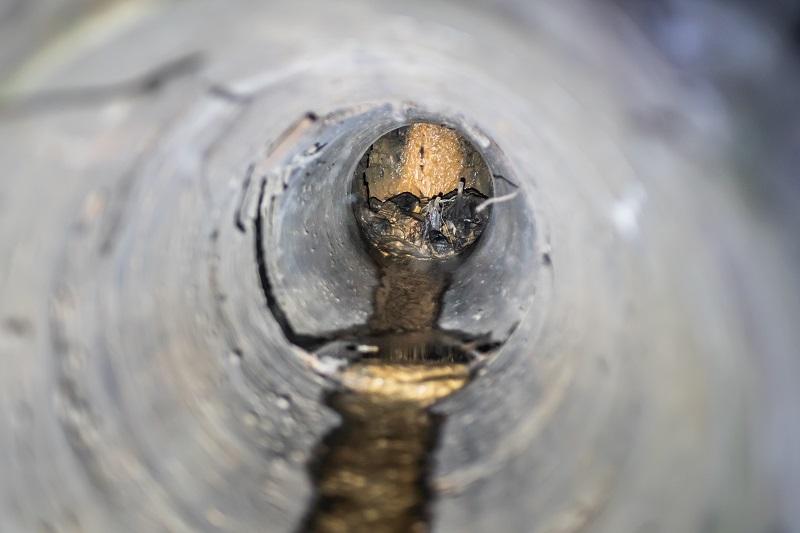
Roots from nearby trees or shrubs infiltrating and clogging drain pipes.
Chemical or Biological Contamination: BioMaze® CANNOT help with this.
Use of harsh chemicals killing beneficial bacteria in the septic system.
Introduction of fats, oils, grease (FOG), or non-biodegradable items clogging pipes and soil.
High Water Table or Flooding: BioMaze® CANNOT help with this.
Seasonal or persistent water saturation reducing soil’s ability to absorb effluent
What Causes Biomat?
Biomat forms in septic drainfields as a result of natural processes that occur when wastewater is treated in the soil. Here’s a breakdown of why it forms:
Organic Matter in Effluent: The wastewater exiting the septic tank contains organic matter, nutrients, and microorganisms. These materials are carried into the drainfield, where they encounter soil and oxygen.
Microbial Activity: Microorganisms in the soil, such as bacteria and fungi, begin to break down the organic matter. Over time, these microbes accumulate at the soil interface, creating a layer known as biomat.
Anaerobic Conditions: The biomat layer is often anaerobic (low in oxygen) because it restricts the flow of oxygen into the soil. This anaerobic environment slows down the decomposition process and contributes to the continued buildup of biomat.
Filtration and Nutrient Capture: The biomat acts as a natural filter, capturing fine particles, nutrients, and pathogens from the effluent. However, excessive accumulation can lead to clogging, reducing the soil’s ability to absorb and treat wastewater effectively.
High Organic Load: A high organic load in the effluent, often caused by poorly maintained septic systems, can accelerate biomat formation. This occurs when the septic tank fails to adequately separate solids, sending more organic material into the drainfield.
While biomat formation is a normal part of septic system function, excessive buildup can cause drainfield failure by reducing permeability and leading to effluent surfacing or backup into the system.
Regular septic tank maintenance and the use of advanced treatment solutions can help manage biomat formation and maintain drainfield efficiency.
BioMaze® is highly effective at rapidly eliminating biomat from drainfields!